
UK Standard Visitor Visa: Requirements and Application Guide
 Gabriella Bettiga
on
Gabriella Bettiga
on
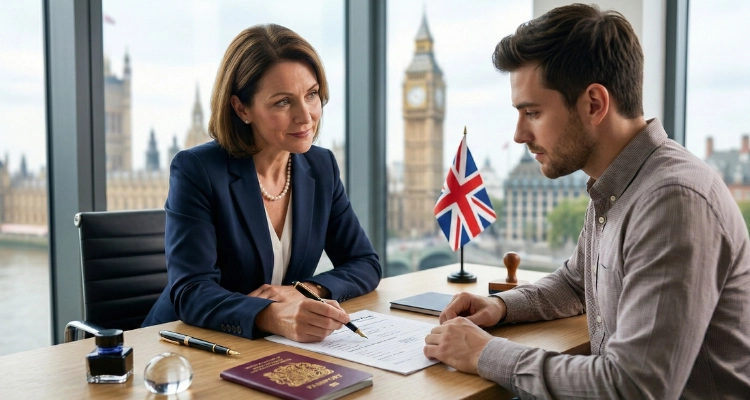
If you are planning a short trip to the UK, one of the first questions you may ask is whether you need a visa and, if so, which one.
For most short-term visitors, the answer is the UK Standard Visitor Visa. It is the most commonly used visa category and also one of the most misunderstood.
At first glance, the UK Standard Visitor Visa looks straightforward. You apply online, submit documents, attend a biometrics appointment, and wait for a decision.
However, many applicants are surprised when their visa is refused even though they believe they have followed all the rules.
The reason is simple. The UK visitor visa is not just about submitting documents.
It is about proving intent. UK immigration officers want to be satisfied that you are a genuine visitor, that you will leave the UK at the end of your visit, and that you can support yourself without working or accessing public funds.
People apply for the UK Standard Visitor Visa for many reasons. You may want to visit family or friends, attend a business meeting, take a short course, receive private medical treatment, or simply explore the UK as a tourist.
While the visa covers all these purposes, the evidence you submit must clearly match the reason for your visit.
In this guide, you will learn exactly what the UK Standard Visitor Visa is, who needs it, and what activities are allowed.
What Is a UK Standard Visitor Visa?
The UK Standard Visitor Visa is a short-term visa that allows you to visit the United Kingdom for a temporary purpose.
It is designed for people who intend to stay for a limited period and then leave the UK at the end of their visit.
This visa replaces several older visitor categories and combines them into one flexible route. Whether you are travelling for tourism, business meetings, or to see family, this is usually the visa you will apply for.
The Standard Visitor Visa does not lead to settlement and does not allow you to live in the UK.
It is strictly for short stays and specific permitted activities.
What You Can Do on a Standard Visitor Visa
With a UK Standard Visitor Visa, you are allowed to take part in several activities.
You can travel for tourism purposes, such as sightseeing, holidays, or short breaks. You can visit friends or family members who live in the UK.
If you are travelling for business, you may attend meetings, conferences, trade fairs, or negotiations. You can also take part in permitted paid engagements in limited circumstances, provided you meet the rules.
The visa also allows short-term study for up to six months. This includes courses that are recreational or related to your profession, as long as they are not the main reason for staying long-term.
Private medical treatment is also permitted, provided you can show arrangements and payment plans.
What You Cannot Do on a Standard Visitor Visa
There are clear restrictions on what you cannot do with this visa.
You cannot work in the UK, whether paid or unpaid. This includes taking up employment, freelancing, or providing services to a UK business.
You cannot study for more than six months or attend a course that leads to a long-term qualification. You are not allowed to access public funds or benefits.
You also cannot use frequent or successive visits to effectively live in the UK. Immigration officers closely monitor travel patterns, and repeated long stays may raise concerns.
Understanding these limits is essential because breaching visa conditions can lead to future refusals or bans.
Who Needs a UK Standard Visitor Visa?
Not everyone travelling to the UK needs a Standard Visitor Visa.
Whether you must apply in advance depends on your nationality and the purpose of your visit.
1 - Visa-National vs Non-Visa-National Countries
The UK divides travellers into two broad groups: visa nationals and non-visa nationals.
If you are a visa national, you must apply for a UK Standard Visitor Visa before you travel. This applies to citizens of many countries across Asia, Africa, and the Middle East. If you arrive in the UK without the required visa, you will not be allowed to enter.
If you are a non-UK visa national, you can usually travel to the UK for short visits without applying for a visa.,need to apply for an Electronic Travel Authorisation (ETA) instead.
However, visa-free entry does not mean unrestricted entry. You must still satisfy the border officer that you are a genuine visitor and that you meet all visitor conditions.
You should always check your nationality status before making travel plans.
2 - Electronic Travel Authorisation (ETA) vs Visitor Visa
The UK have introduced an Electronic Travel Authorisation, known as an ETA, for non-visa nationals.
An ETA is not a visa. It is a digital travel permission that allows eligible travellers to board transport to the UK. You still undergo checks at the border on arrival.
If you are from a country covered by the ETA scheme, you must apply for an ETA before travelling, if you do not need a visitor visa.
If you are from a visa-national country, an ETA does not replace the Standard Visitor Visa. You must still apply for and receive a visa before travelling.
UK Standard Visitor Visa Eligibility Requirements
Meeting the eligibility requirements is the most important part of your UK Standard Visitor Visa application.
Even if you submit all documents, your visa can still be refused if the decision maker is not satisfied that you meet these core requirements.
Genuine Visitor Requirement
The genuine visitor requirement is the foundation of your application.
You must demonstrate to the Home Office that you genuinely intend to visit the UK for a short period and that you will leave at the end of your visit. This means showing that you are not planning to work, study long term, or live in the UK through repeated visits.
Your travel purpose should be clear and consistent throughout your application. The reason you give in the online form must match your supporting documents and any cover letter you include.
Immigration officers also assess whether your visit makes sense based on your personal circumstances. For example, they consider your job, income, family situation, and previous travel and immigration records.
If there is any doubt about your intentions, your application may be refused.
Financial Requirements
You must show that you can support yourself financially during your stay in the UK.
There is no fixed minimum bank balance set by the UK government. Instead, the Home Office looks at whether your funds are reasonable in relation to your travel plans. This includes accommodation costs, daily expenses, and return travel.
Your bank statements should show regular income and/or a stable financial position. Large unexplained deposits can raise concerns and may need clarification.
If someone else is paying for your trip, such as a family member or sponsor in the UK, you must provide evidence of their ability to support you and explain your relationship clearly.
Ties to Your Home Country
Strong ties to your home country help prove that you will return after your visit.
Employment is one of the strongest ties. If you are employed, you should provide proof such as a letter from your employer confirming your role, salary, and approved leave.
If you run a business, you can show business registration documents, tax records, and evidence that the business is actively operating.
Family ties also matter. Spouses, children, or dependants remaining in your home country support your intention to return. Property ownership, long-term leases, or ongoing studies can also strengthen your case.
The more stable your life is outside the UK, the stronger your application becomes.
Accommodation and Travel Plans
You must explain where you will stay in the UK and how long your visit will last.
This can include hotel bookings, a letter from a host you are visiting, or other accommodation details. If you are staying with friends or family, an invitation letter should confirm where you will stay and for how long.
You do not need to buy flight tickets before applying, but you should provide a clear travel plan. This includes intended travel dates and a rough itinerary.
Your plans should be realistic and match your financial situation.
Overly long or vague plans may raise doubts.
Previous Travel History
Your past travel history plays an important role in your application.
If you have previously travelled to the UK or other countries and complied with visa rules, this strengthens your credibility. It shows that you respect immigration laws.
If you have had previous visa refusals or overstayed in another country, you must declare this honestly. Failing to disclose past issues can lead to refusal for deception.
If there were past problems, a clear and honest explanation can sometimes help reduce their impact.
Documents Required for UK Standard Visitor Visa
Submitting the right documents is essential, but it is not just about quantity.
The Home Office looks for clear, relevant evidence that supports your stated reason for travel and proves you meet the visitor requirements.
Mandatory Documents
Every UK Standard Visitor Visa application must include a core set of documents.
Your passport must be valid for the duration of your stay and have at least one blank page.
It should be in good condition and include any previous visas or entry stamps, as these help show your travel history.
You must complete the online application form accurately and consistently. Any mistakes or contradictions can affect your credibility.
You also need proof of payment for the visa fee and confirmation of your biometrics appointment. Photographs are usually captured digitally at the visa centre, so printed photos are not normally required unless specifically requested.
Make sure all documents are clear and uploaded in the correct format.
Financial Documents
Financial evidence is one of the most closely reviewed parts of your application.
You should usually provide bank statements covering the last six months. These should show your name, account number, bank logo, and transaction history. The balance should reasonably cover your travel costs.
If you are employed, include salary slips and, where possible, an employment letter confirming your income and leave approval.
Self-employed applicants can submit tax returns, business bank statements, and registration documents to show ongoing income.
If someone else is sponsoring your visit, you must include their bank statements and a clear explanation of how they will support you.
Supporting Documents Based on Purpose
Your supporting documents should clearly match the reason for your visit.
- For tourism, you can include a brief travel itinerary, hotel bookings, or tour confirmations. These do not need to be paid in advance, but they should be realistic.
- For a business visit, include an invitation letter from the UK company, details of meetings or events, and a letter from your employer confirming the purpose of travel.
- For a family visit, provide an invitation letter from your host, proof of your relationship, and evidence of their legal status in the UK.
- For medical treatment, you must include a letter from a UK medical provider confirming the treatment, duration, and costs, along with proof that you can pay for it.
Only include documents that support your case. Unrelated paperwork can create confusion.
Invitation Letter Requirements
An invitation letter is not always mandatory, but it can be very helpful in certain cases.
If someone in the UK is inviting you (a “sponsor”), their letter should clearly state who they are, how they know you, and why you are visiting. It should also confirm where you will stay and whether they are providing financial support.
The letter should include proof of the sponsor’s immigration status, such as a British passport copy or residence permit, and proof of address.
The invitation letter should be honest and straightforward. Overstated claims or vague details can raise doubts rather than help.
Step-by-Step UK Standard Visitor Visa Application Process
Once you understand the requirements and documents, the application process itself becomes much easier.
Step 1 - Create a UKVI Online Account
All UK visitor visa applications start online through UK Visas and Immigration, often referred to as UKVI.
You need to create an online account on the official UK government website. This account allows you to complete the application form, pay the visa fee, upload documents, and book your biometrics appointment.
Make sure you use an email address you check regularly.
All updates and instructions about your application will be sent to this email.
Step 2 - Fill Out the Online Application Form
The online application form is detailed and must be completed carefully.
You will be asked about your personal details, travel history, whether you have any criminal issue, employment or business status, financial situation, and the purpose of your visit. Every answer should be truthful and consistent with your documents.
Take your time when completing the form. Small errors, such as incorrect dates or mismatched information, can raise doubts.
If something does not apply to you, answer clearly rather than leaving it vague.
Before submitting, review all sections to ensure nothing contradicts your supporting evidence.
Step 3 - Pay the Visa Fee
After completing the form, you must pay the visa fee online.
The standard fee applies to a six-month visitor visa. Higher fees apply if you are applying for a long-term visitor visa valid for two, five, or ten years.
Visa fees are non-refundable, even if your application is refused. This makes it especially important to ensure your application is strong before submission.
Payment is usually made by debit or credit card through the online system.
Step 4 - Book Biometrics Appointment
Once payment is complete, you will be asked to book a biometrics appointment at a Visa Application Centre in your country.
At this appointment, your fingerprints and photograph will be taken. You may also be asked to submit your passport.
Arrive on time and bring your appointment confirmation and passport.
The process is usually quick, but missing the appointment can delay or cancel your application.
Step 5 - Upload Documents and Attend Appointment
When booking your appointment, you will be asked to upload your supporting documents online. Follow the document upload instructions carefully.
Make sure all files are clear and correctly labelled. Poor quality scans can lead to delays or refusal. You need to upload the documents before your biometrics appointment, or you can bring paper copies to the visa centre, and their staff will upload them for you, for a fee.
After attending your biometrics appointment and submitting your documents, your application will be processed.
You should receive updates by email until a decision is made.
UK Standard Visitor Visa Fees and Processing Time
Understanding the costs involved and how long the process may take helps you plan your trip more confidently.
While the application steps are the same for most people, fees and processing times can vary depending on the type of visa you choose and where you apply from.
Current Visa Fees
The UK Standard Visitor Visa has different fees depending on how long you want the visa to be valid.
The six-month visitor visa is the most common option and is suitable for most short visits such as tourism, family visits, or business travel.
If you travel to the UK regularly, you may apply for a long-term visitor visa. These are available for two years, five years, or ten years. While these visas allow multiple entries over a longer period, you can still only stay in the UK for up to six months per visit.
Long-term visas cost more upfront, but they can be convenient if you make frequent trips and consistently meet the visitor rules.
Visa fees are set by the UK government and can change, so you should always check the latest fees before applying.
Processing Timeframes
Standard processing time for a UK Standard Visitor Visa is usually around three weeks from the date of your biometrics appointment.
However, this is not guaranteed and can vary.
In some countries, you may have the option to use priority services. These services allow faster processing for an additional fee, but availability depends on your location.
Priority services do not guarantee approval. They only speed up the decision process. Your application is still assessed in the same way.
It is strongly recommended that you apply well in advance of your intended travel date to allow for any delays.
Factors That Affect Processing Time
Several factors can affect how long your application takes.
The country where you apply plays a role, as some visa centres handle higher volumes than others. Peak travel seasons can also cause delays.
The quality and completeness of your documents is another major factor. Missing, unclear, or inconsistent documents can lead to additional checks or longer processing times.
Previous immigration history, such as past refusals or overstays, may also result in closer scrutiny and longer decision times.
To avoid delays, make sure your application is clear, complete, and well organised from the start.
Common Reasons for UK Visitor Visa Refusal
Even though the UK Standard Visitor Visa is one of the most common visa types, refusals are still frequent.
In most cases, refusals happen because the application does not clearly meet the visitor requirements, not because the applicant is trying to do something wrong.
Insufficient Financial Evidence
One of the main reasons for refusal is weak or unclear financial evidence.
If your bank statements do not show enough funds to cover your trip, the Home Office may doubt whether you can support yourself in the UK. Sudden large deposits without explanation can also raise concerns.
The decision maker looks for financial stability, not just a high balance on one day. Your income, spending patterns, and savings should make sense in relation to your travel plans.
If someone else is funding your visit, failure to clearly explain this or provide their financial documents can also lead to refusal.
Weak Ties to Home Country
If you do not clearly demonstrate strong ties to your home country, your application may be refused.
UK immigration officers must be convinced that you will leave the UK at the end of your visit. If you are unemployed, recently changed jobs, or have no clear family or financial ties, this can work against you.
Lack of evidence such as employment letters, business documents, or family commitments can make it harder to prove your intention to return.
The stronger and clearer your ties, the more confident the decision maker will be.
Inconsistent or Incorrect Information
Inconsistencies are a major red flag.
If the information in your application form does not match your documents, or if dates and details change across different sections, the Home Office may doubt your credibility.
Even small mistakes can raise questions. For example, stating one job title in the form and a different one in an employment letter can cause problems.
Always review your application carefully to ensure everything aligns.
Previous Immigration Issues
Your immigration history matters.
If you have previously overstayed, breached visa conditions, or been refused a visa for the UK or another country, this can affect your application.
You must declare all past refusals honestly. Failing to disclose previous issues can lead to refusal for deception, which is more serious than a simple refusal as you may be banned from entering the UK for a number of years.
If you had past problems, providing a clear and truthful explanation can sometimes help reduce their impact.
Tips to Increase Your UK Visitor Visa Approval Chances
A strong UK Standard Visitor Visa application is not about submitting the most documents.
It is about submitting the right documents in a clear and logical way.
Prepare Strong Documentation
Your documents should tell a clear and consistent story.
Only include documents that directly support your reason for travel and your eligibility as a visitor.
For example, if you are travelling for tourism, focus on travel plans, accommodation, and financial evidence. If you are visiting family, focus on your relationship, invitation letter, and proof of accommodation.
Make sure all documents are up to date, easy to read, and properly labelled. Bank statements should clearly show your name, account number, and transaction history. Employment letters should be on official letterhead and include contact details.
Avoid submitting unnecessary or confusing documents, as this can distract from the key points of your application.
Write a Clear Cover Letter
A cover letter is not mandatory, but it can be very helpful.
Your cover letter should briefly explain who you are, why you are visiting the UK, how long you plan to stay, and how you will support yourself financially. It should also highlight your ties to your home country and confirm that you will leave the UK at the end of your visit.
Keep the tone simple and factual. Do not exaggerate or include emotional language. The goal is clarity, not persuasion.
If there are any unusual aspects to your application, such as a recent job change or a previous refusal, address them honestly in the cover letter.
Explain Travel History Clearly
Your travel history helps build trust.
If you have travelled internationally before and complied with visa conditions, make sure this is clear. Previous UK visas, Schengen visas, or visas from countries such as the US, Canada, or Australia can support your credibility.
If you have limited travel history, focus on explaining your current circumstances clearly and showing strong ties to your home country.
If you have had a refusal in the past, explain what has changed since then and how your current application addresses the previous concerns.
Conclusion
Applying for a UK Standard Visitor Visa does not have to be stressful, but it does require careful preparation.
If you understand what the visa allows, meet the eligibility requirements, and submit documents that match your purpose of travel, your chances of success increase significantly.
Strong financial evidence, clear ties to your home country, and consistent information across your application all play a key role.
Many refusals happen not because applicants are ineligible, but because their applications are unclear or poorly structured. Small mistakes, missing explanations, or weak documentation can raise doubts and lead to refusal.
This is why taking time to prepare properly is so important.
MGBe Legal specialises in UK immigration law and assists individuals with UK Standard Visitor Visa applications from start to finish. Our team reviews your eligibility, checks your documents, and helps present your application clearly and correctly to reduce the risk of refusal.
Contact MGBe Legal today for a professional UK Standard Visitor Visa consultation and apply with confidence.
Frequently Asked Questions (FAQs)

Gabriella Bettiga
Director of MGBe Legal
I founded MGBe Legal, a firm regulated by the Immigration Advice Authority (IAA), with the mission to provide high-quality, simplified, and accessible legal services to clients from all walks of life.